
English| EUR
Suggested for you
More currencies
Choose a language
Snorkeling in the Red Sea can mean a short walk into a fringing reef or a full day at sea with a skipper, and the bill reflects that gap. This Egypt snorkeling price guide separates the one fixed cost — the conservation fee collected at the Ras Mohammed National Park gate — from everything that varies. It also sets out what operators usually include, and what they tend to leave out of a quote.
Quick answer
Entry to Ras Mohammed National Park costs 15 USD (Conservation fee, per person, payable in cash at the gate). That figure covers park access only; boat trips, equipment rental and in-water guides are quoted separately by operators. The gate runs 08:00–16:00 daily, and the fee is collected in cash, so carry small notes rather than relying on a card.
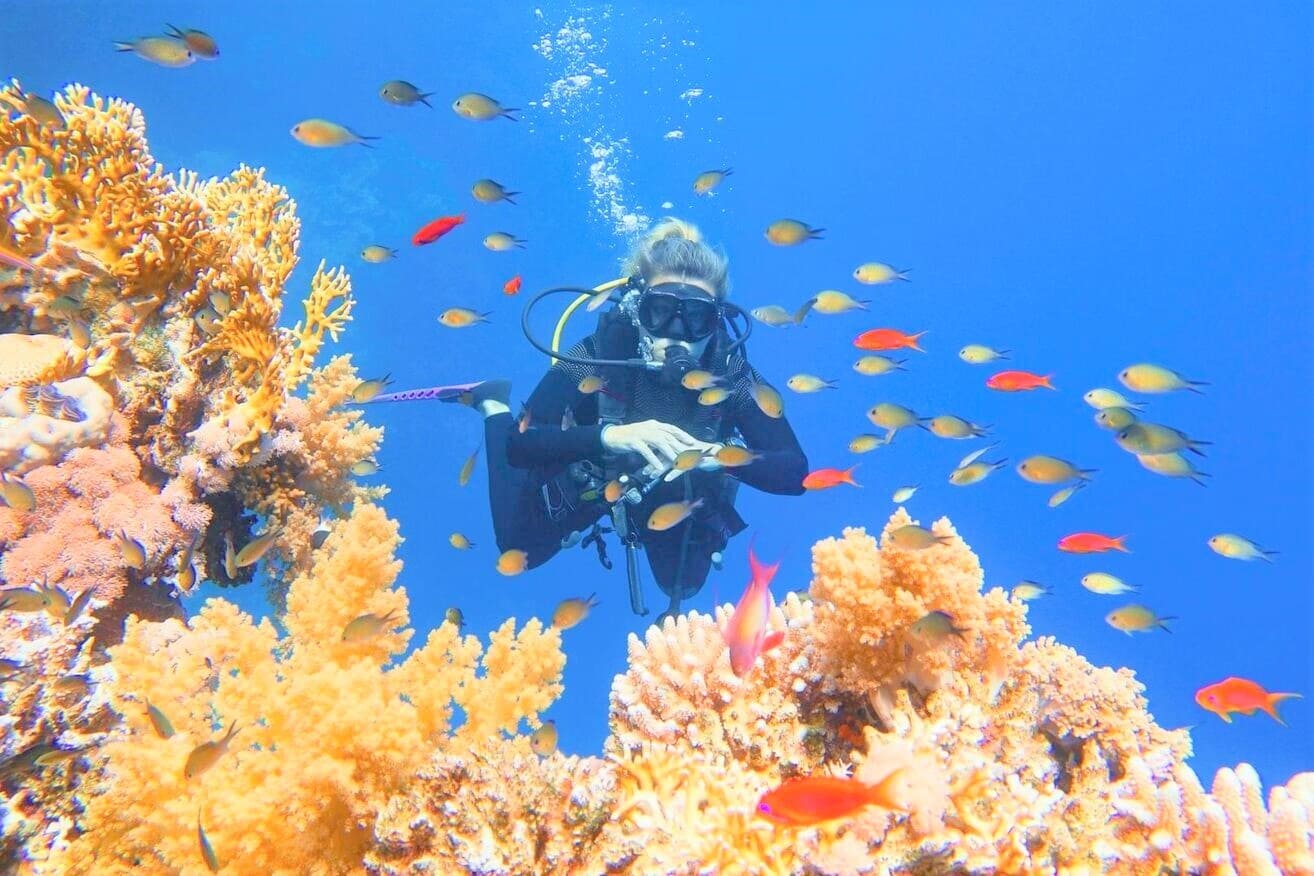
The reef at Yolanda, inside Ras Mohammed National Park, is littered with bathroom fixtures. The freighter Yolanda ran aground here in 1980, and its cargo of toilets and bathtubs still sits in the shallows, colonised by coral and patrolled by Napoleon wrasse. That single detail explains why the egypt snorkeling price question rarely has one answer: the Red Sea's best snorkeling is spread across national park shorelines, offshore reef systems and wreck sites, and each one is reached a different way. Costs here are layered rather than fixed. At the park gate on the Sinai Peninsula, a conservation fee is collected in cash per person, and the figure is set out in the pricing section of this page. Everything beyond that is a choice. Shore entry at Ras Mohammed's fringing reef, the mangrove channel or the Shark Observatory wall costs only the transport needed to reach it. A boat day out of Sharm El Sheikh or Hurghada bundles the crossing, a skipper, lunch and usually two or three reef stops. Mask, snorkel and fins rental, a wetsuit in the cooler months, an in-water guide, and the length of the transfer from a hotel all move the final number. Operators in Marsa Alam and Dahab price differently again, because many of their reefs are entered from the beach rather than from a deck. Group size moves it most: a shared day boat and a private charter to the same reef sit far apart. The practical approach is to compare inclusions, not headline figures. Red Sea snorkeling cost quotes differ mainly in what they omit — park fees, equipment, taxes, towels and the drive. Ask whether the marine park conservation fee is collected separately at the gate, because it usually is, and keep cash aside for it. Ask how many reef stops a day includes and how long the boat sits at each. Water clarity is best early, before the wind builds and the fleet converges, so a departure timed to the opening hours of the day is worth more than a small discount. Travellers who treat the egypt snorkeling price as a package of decisions — gate fee, access method, gear, guide, distance — end up paying for the water they actually wanted to be in. The booking pages on this site list live Ras Mohammed snorkeling tour options alongside wider Red Sea reef trips.
“Compare what a quote leaves out, not the number at the top of it.”
The best arrival window is 08:00–10:00 to avoid mid-day crowds and experience calmer, clearer waters for snorkeling. Planning your visit during these morning hours ensures better underwater visibility before boat traffic increases.
Mild; 24°C–28°C. Ideal water temperatures for extended sessions.
Hot; 30°C–35°C. High solar intensity requires hydration and shade.
Warm; 26°C–30°C. Water remains warm from the summer months.
—; Optimal conditions for visibility and calm entry.
Verdict: The concrete best slot is April or October on weekdays, arriving at the 08:00–10:00 window.
Red Sea snorkeling requires advance bookings, gear, and cash for on-site fees.
Everything you need to know about egypt snorkeling price
To prepare for your day in the Red Sea, bring a high-quality mask, snorkel, and fins, along with sun protection such as biodegradable sunscreen and a rash guard. Remember to bring your cash for the 15 USD entry fee, as credit cards are typically not accepted at the gate. Bringing a waterproof camera can also help you capture the marine biodiversity found within the protected reef systems.